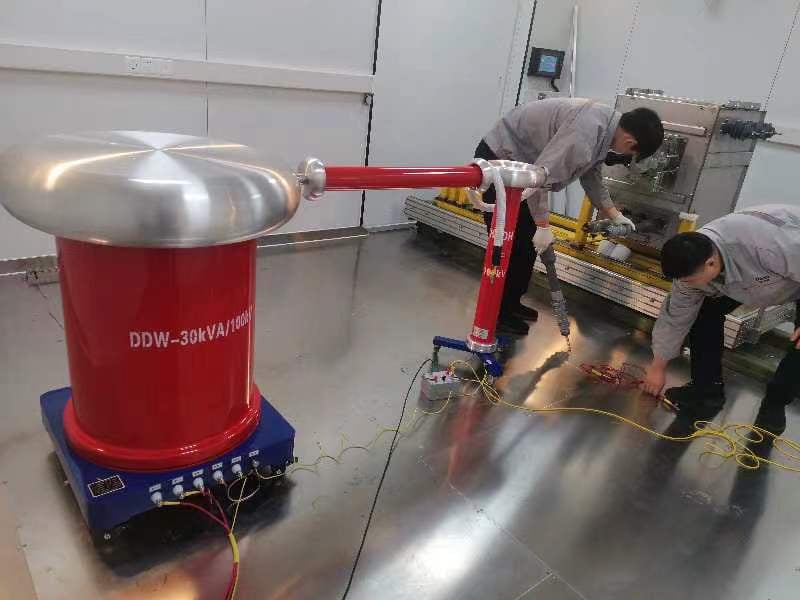
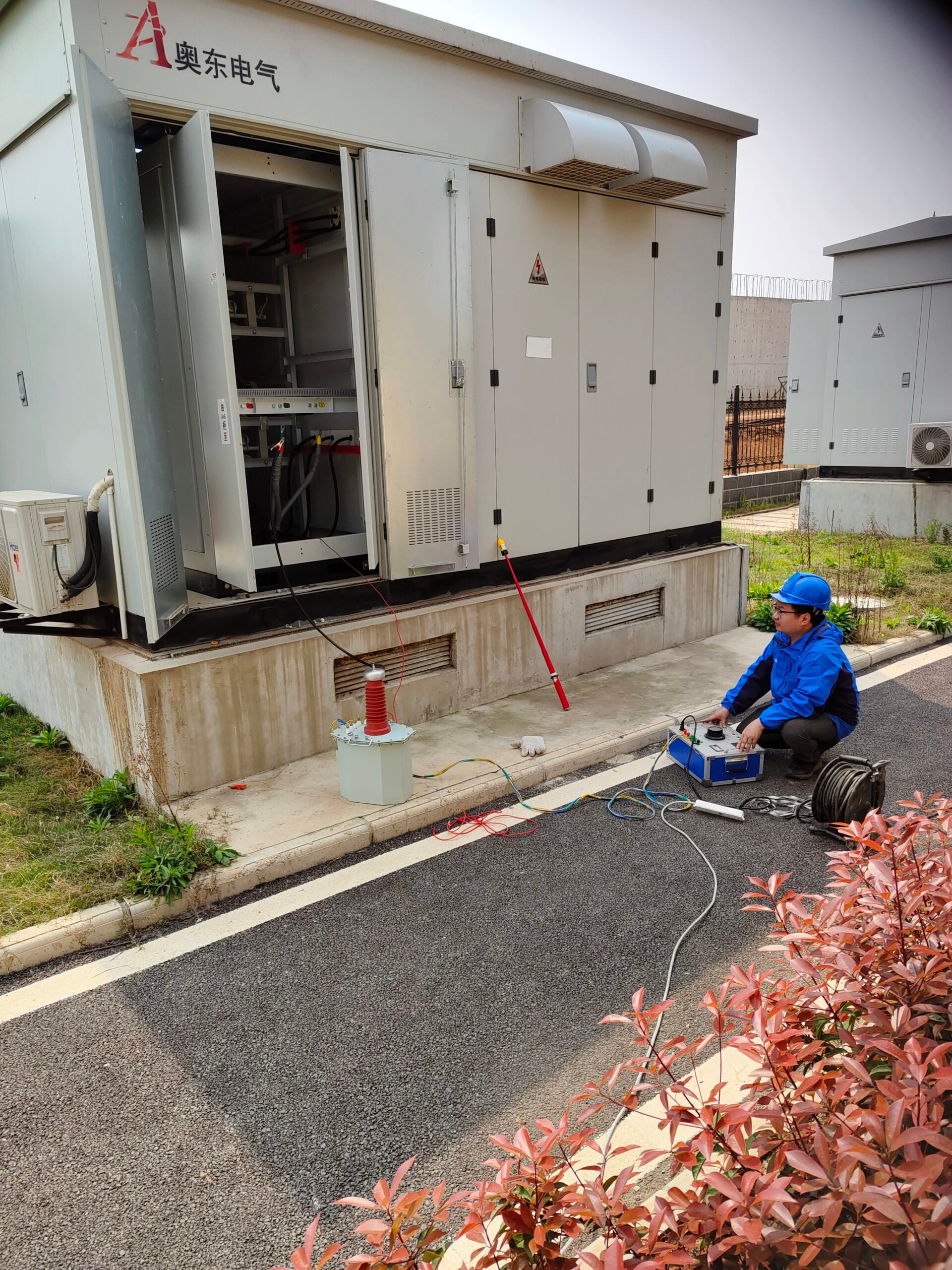
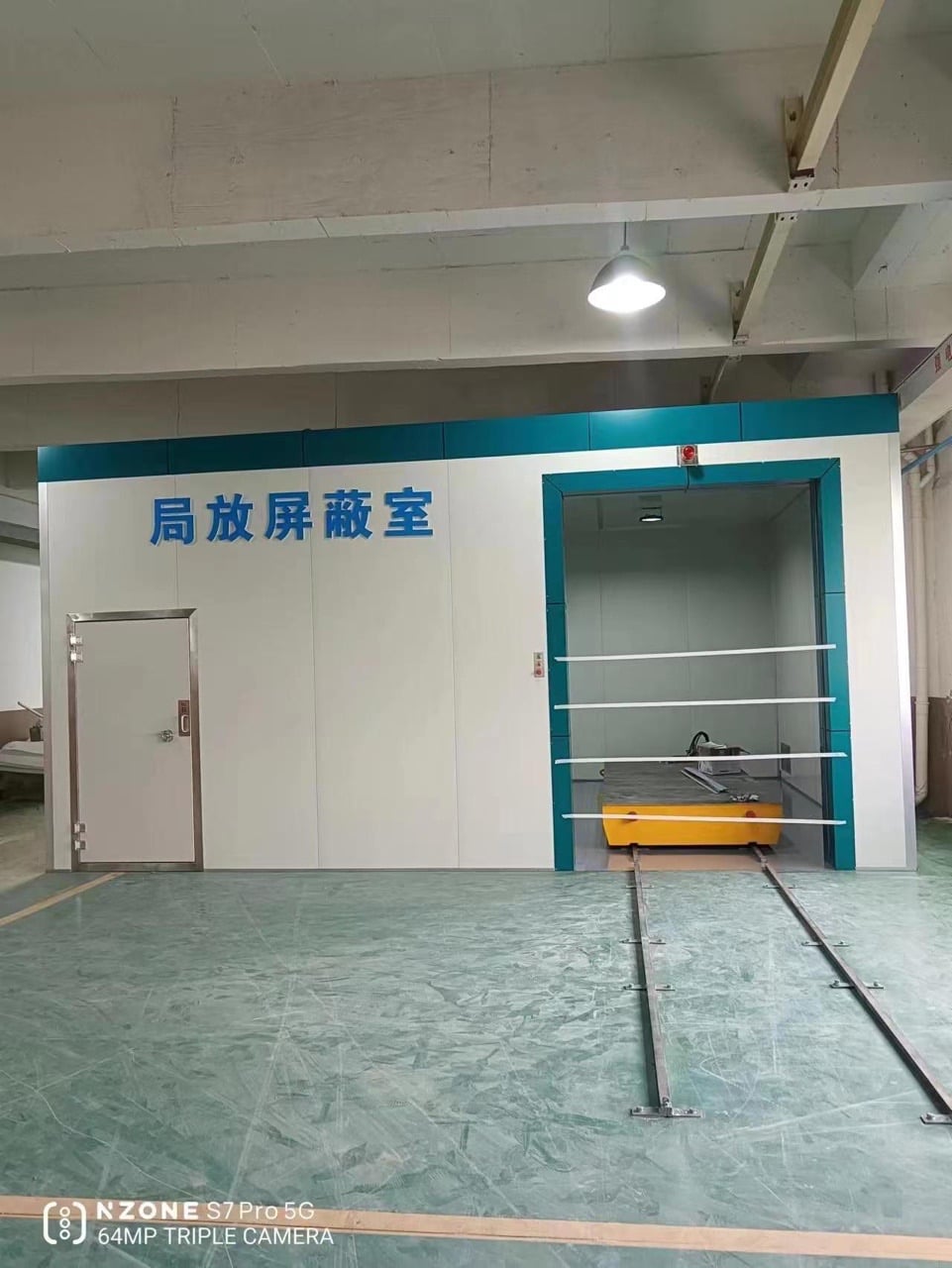
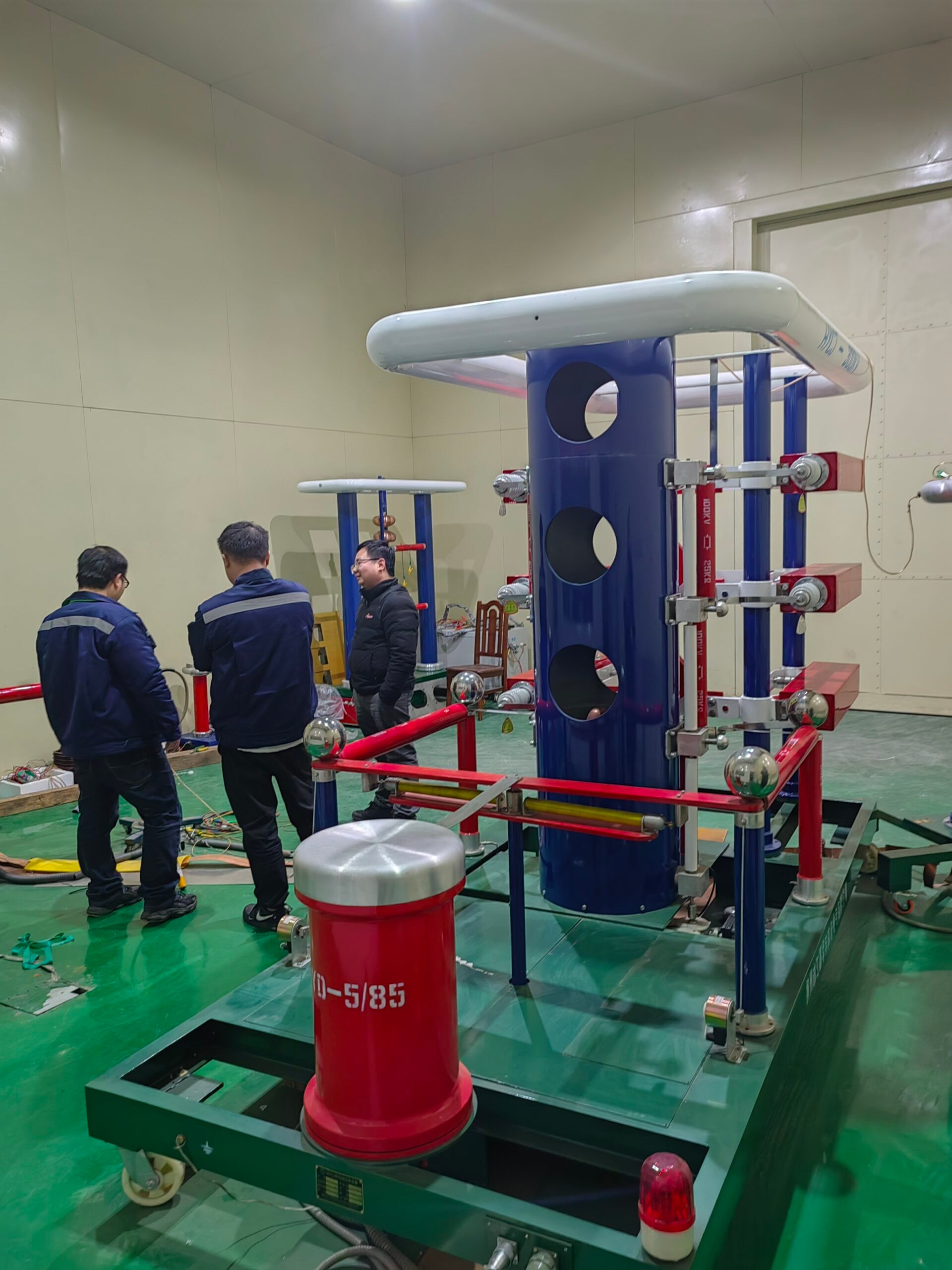
Switchgear test equipment is a vital component that uses the power of protection and automation in the electrical sector. It is in the very heart of electrical distribution, and thus, it also means that switchgear and circuit breakers must be subjected to very hard testing to avoid any malfunctioning that would eventually lead to expensive downtimes and even more importantly to safety hazards. This article discusses the leading manufacturers of switchgear test equipment, focusing on their innovations, technical advancements, and product ranges for the industry. It is our goal to give the readers a well-rounded perception of the manufacturers as the very reason why the systems’ functionalities and effectiveness have been maintained on a global scale.
Introduction to Switchgear Test Equipment
Importance of Testing in Electrical Systems
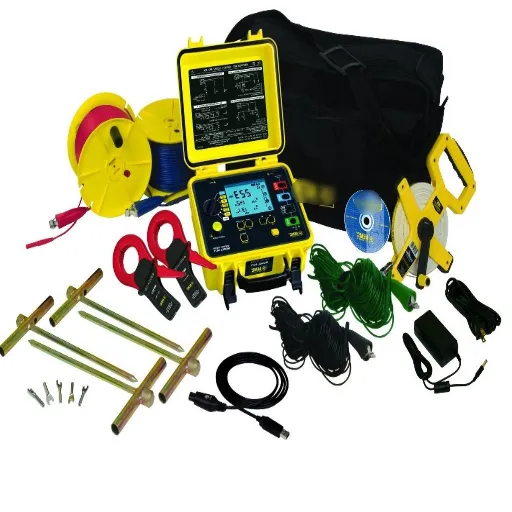
Testing in electrical systems is a must to prevent any problem with the right and safe functioning of all the components. The international standard of IEC, which is known to have strict requirements in electrical safety, is a must for a regular testing to be done for that purpose. This way, it is surely unlikely for an electrical failure to take place and the equipment will be able to be used for a longer time.
Overview of Switchgear and Circuit Breakers
The protection and control of electrical circuits through switchgear and circuit breakers are necessary for safe electric power distribution. The devices are designed and installed to sense electrical currents that are not within the normal range and interrupt the flow of electricity as a part of a protective system. The critical and responsible role of the switchgear and a circuit breaker in electric power systems calls for the use of the latest test equipment in order to guarantee their operational consistency and reliability. The test includes the opening and closing cycles of the switchgear as per the manufacturer’s drawings, vibration levels, correct labeling, proper terminal connection, and continuity of grounding. Moreover, any possible electrical defects such as poor contact, wear, and deterioration of the materials’ properties are also investigated.
Role of Test Equipment in Reliability
The success and safety of electrical systems mostly rely on the efficiency of switchgear test equipment. Manufacturers support the efficient operation of the switchgear and the circuit breakers in a wide range of conditions by using strict testing procedures. Utilities and large electrical distribution networks that require continuous service highly depend on the reliability of the system. Monitoring tests of electrical components and their detailed analysis are among the various tasks that the equipment can handle. The manufacturers, by using the most modern measurement devices and following the contracted test routines seriously, ensure the operational and safety of electrical systems all over the world.
Top 10 Switchgear Test Equipment Manufacturers
1. DEMIKS
Year Founded: 1995
Introduction: DEMIKS has already gained a reputation for being a major player in switchgear test equipment market primarily because of the innovative solutions offered as per the stringent testing requirements in the power sector. Focus on being accurate and dependable resulted in the company having the distinction of being associated with state-of-the-art equipment that is particularly made for high performance diagnosis.
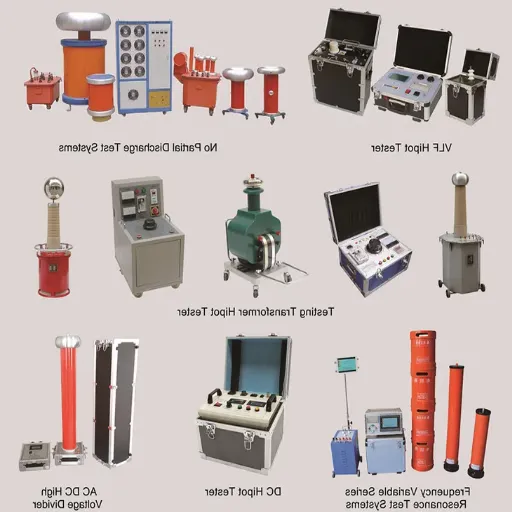
Main Products: Primary injection test sets, circuit breaker analyzers, insulation testers, and relay test sets.
✓ Key Advantages
- Advanced automation features for efficiency.
- Comprehensive data analysis tools.
- Exceptional after-sales support and training programs.
✗ Key Disadvantages
- Premium pricing may not suit smaller businesses.
- Limited availability in some regions.
Website:DEMIKS Official Website
2. Megger
Year Founded: 1889
Introduction: Megger is one of the oldest and most trusted manufacturers of electrical test and measurement equipment. Their switchgear testing solutions are widely utilized in industries such as utilities and manufacturing, providing reliable diagnostic and preventive maintenance tools.
Main Products: Insulation testers, circuit breaker testers, relay testers, and low-resistance ohmmeters.
✓ Key Advantages
- Longevity and industry expertise.
- Durable and field-tested products.
- Strong global distribution network.
✗ Key Disadvantages
- Older interface on some product lines.
- Slightly higher costs for advanced features.
Website:Megger Official Website
3. OMICRON
Year Founded: 1984
Introduction: Specializing in power system testing, OMICRON is renowned for its versatile and compact solutions for electrical diagnostics. Their equipment supports high precision and is preferred for its ease of use and portability.
Main Products: Relay protection test systems, circuit breaker analyzers, and partial discharge measurements.
✓ Key Advantages
- Robust technical support.
- User-friendly software integration.
- Ideal for both field and laboratory conditions.
✗ Key Disadvantages
- Some products are specialized, limiting multi-purpose applications.
- Higher initial investment cost.
Website:OMICRON Official Website
4. DV Power
Year Founded: 1997
Introduction: Based in Europe, DV Power focuses on professional testing equipment for circuit breakers and transformers, providing high-current solutions that ensure accurate performance evaluations.
Main Products: Circuit breaker analyzers, battery testers, and transformer winding resistance meters.
✓ Key Advantages
- Compact and portable designs.
- Cost-effective solutions for medium-sized businesses.
- High measurement accuracy.
✗ Key Disadvantages
- Limited product range compared to competitors.
- Customer support may vary by region.
Website:DV Power Official Website
5. ISA (Altanova Group)
Year Founded: 1938
Introduction: ISA is a globally recognized company focusing on testing and diagnostic solutions for electrical systems. Now part of Altanova Group, their tools provide comprehensive data for system performance analysis.
Main Products: Relay testers, transformer test equipment, and circuit breaker analyzers.
✓ Key Advantages
- Extensive product portfolio for various applications.
- Strong focus on innovation and automation.
✗ Key Disadvantages
- Training may be required for complex systems.
- Relatively slower delivery times for custom orders.
Website:ISA Official Website
6. Vanguard Instruments
Year Founded: 1991
Introduction: Vanguard Instruments specializes in precision electrical testing equipment, primarily designed for field-testing power systems. Their tools are known for their ease of use and ruggedness.
Main Products: Circuit breaker analyzers, transformer turns ratio testers, and resistance meters.
✓ Key Advantages
- Durable designs for challenging conditions.
- Simple and intuitive operation.
✗ Key Disadvantages
- Limited integration with advanced software technologies.
- Product updates are released less frequently.
Website:Vanguard Official Website
7. Manta Test Systems
Year Founded: 1990
Introduction: Manta Test Systems is recognized for delivering highly accurate relay testing equipment. They cater primarily to the utility and industrial sectors.
Main Products: Protective relay testers, current injection systems, and software-based testing applications.
✓ Key Advantages
- High precision in relay testing.
- Seamless software compatibility.
✗ Key Disadvantages
- Focused product range may not cover all testing needs.
- Limited presence outside of North America.
Website: Manta Official Website
8. TRESCAL
Year Founded: 2003
Introduction: TRESCAL provides tailored calibration and testing solutions for electrical systems, with a focus on quality and accuracy. Though relatively new, the company has rapidly gained trust in the industry for its versatility.
Main Products: Calibration services, insulation testers, and circuit breaker analyzers.
✓ Key Advantages
- Customizable solutions for unique client needs.
- Strong commitment to precision and certification compliance.
✗ Key Disadvantages
- Primarily focused on services rather than products.
- Limited standalone equipment options.
Website:TRESCAL Official Website
9. PONOVO POWER
Year Founded: 2001
Introduction: A China-based company, PONOVO POWER delivers reliable and cost-effective testing solutions for utilities and industrial applications. They are known for integrating AI features into their systems.
Main Products: Relay test sets, power analyzers, and current injection systems.
✓ Key Advantages
- Affordable pricing.
- Advanced technology integration.
✗ Key Disadvantages
- Limited global availability.
- User manuals may lack detail for advanced products.
Website:PONOVO Official Website
10. SMC International
Year Founded: 1986
Introduction: SMC International is a trusted name in switchgear testing, delivering advanced, user-friendly tools to ensure electrical system safety and efficiency.
Main Products: Circuit breaker testers, battery testers, and relay testers.
✓ Key Advantages
- Strong product reliability.
- Compact designs for portable use.
✗ Key Disadvantages
- Limited focus on high-capacity systems.
- Software updates are less frequent.
Circuit Breaker Testing Solutions
Types of Circuit Breaker Test Equipment
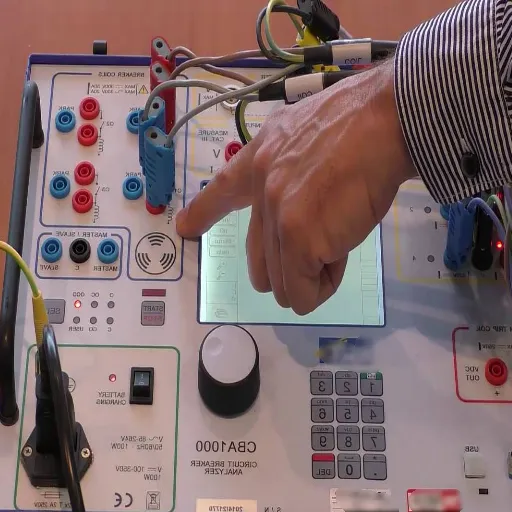
Circuit breaker test equipment comes in various forms, each designed to address specific testing needs within electrical systems. These include primary and secondary injection test sets, which are vital for assessing circuit breaker performance under different conditions.
This diverse range of equipment supports comprehensive testing, enabling manufacturers to address various testing requirements and maintain the reliability and safety of electrical systems.
High Voltage vs. Low Voltage Testing
High voltage and low voltage testing are crucial components of circuit breaker testing, each serving distinct purposes in maintaining electrical system integrity.
Both testing methods are essential for manufacturers to ensure their equipment meets compliance standards and performs reliably. By employing both high voltage and low voltage testing, manufacturers can provide comprehensive solutions that enhance the overall safety and efficiency of electrical systems.
Best Practices for Circuit Breaker Testing
The best practices in the testing of the circuit breaker are important to make sure that the electrical systems are both reliable and safe. The key to it is the proper circuit breaker maintenance and testing, and the advanced test equipment is the medium for that. The role of precision measurement tools in monitoring insulation resistance, contact resistance, and timing characteristics is frequently underscored. Industry standards like IEC require that the testing protocols are complied with and the test plans are meticulously maintained. Moreover, manufacturers advocate the use of portable and factory-based test systems to make the thorough analysis and monitoring of the circuit breaker more efficient and effective. Manufacturers by adopting these best practices can at the same time enhance the operational efficiency and reliability of electrical power systems.
Certification and Compliance in Switchgear Testing
Understanding Certification Standards
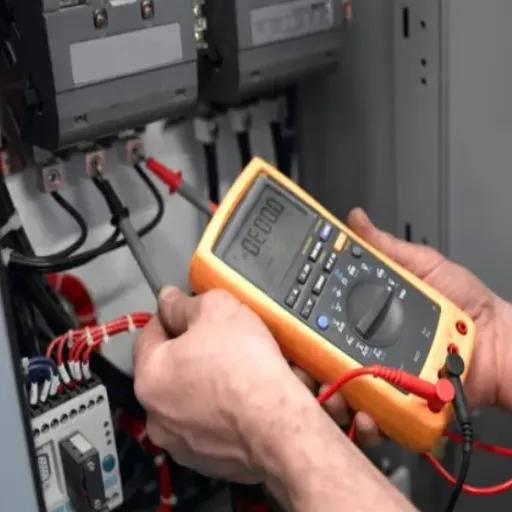
Standards for switchgear testing certification are necessary in order to assure the safety and the trustworthiness of electrical systems. These standards, that the International Electrotechnical Commission (IEC) among others, uphold, clarify the technical requirements and testing protocols that manufacturers have to obey. A switchgear test equipment is rigorously safe and excellent if it complies with these norms. Certification includes a very careful examination of various things like the performance of test equipment being evaluated, which includes high-voltage test sets and insulation testers to see if they are in fact measuring electrical parameters accurately. The whole process is not just about enhancing the reliableness of switchgear products, but it is also about making symbols of confidence to the utilities and the heavy electric power distribution networks that rely on these products for providing continuous power.
Importance of Compliance for Manufacturers
For manufacturers of switchgear test equipment, the compliance with the industry standards means a lot more than just ticking the boxes of the regulatory bodies. Compliance is a very critical aspect of their operations. One key aspect of the manufacturing facilities ensuring that their products are both safe and reliable and at the same time able to work under different electrical conditions. It is the responsibility of the manufacturers to convince people that their test systems, including circuit breaker testing solutions and portable devices, correspond to the quality and safety levels of the existing guidelines. Following the norms is a way for them to earn back the trust of the people who use their products for the distribution and transmission of power. We are talking about the whole process of compliance here, the main touch point, that, by sticking to compliance as the main perspective, manufacturers can prevent and at the same time support the long-term reliability and efficiency of the electrical market, with the ultimate result of the safer and more resilient grid
Impact of Certification on Product Reliability
The influence of certification on the reliability of switchgear test equipment is very significant. Certification is considered a measure of the quality of products, as it makes sure that test equipment can work with high and low voltage applications. It is a way that the manufacturers have strong test plans and evaluations in place to check their products, from switchgear cabinets to relay test sets. The certified equipment is put through a meticulous and vigilant analysis that would confirm its conformance to the technical operational needs of the electric power systems. Such reliability is indispensable in sustaining the power system’s integrity, lowering the risk of failures and ensuring the uninterrupted supply of power in the world.
Future Trends in Switchgear Test Equipment
Emerging Technologies and Innovations
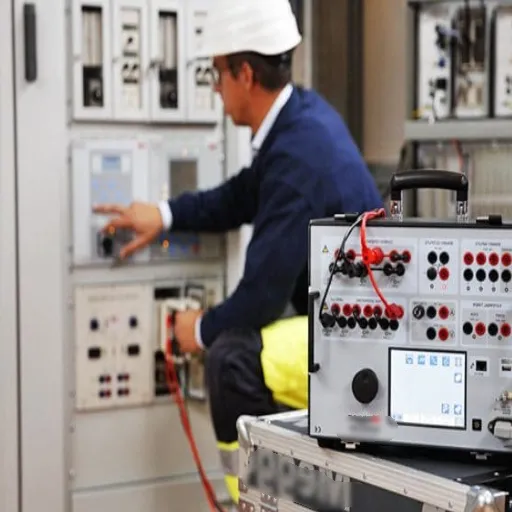
The escalating need for more effective electric systems keeps putting pressure on newer technologies and new innovation testing equipment for these systems. It’s thus, quite interesting to see how the manufacturers are bringing digitalization into their test sets to make the testing processes more precise and, at the same time, more efficient. Along with the smart sensors and the Internet of Things (IoT) technology, real-time monitoring of the switchgear performance and the instant analysis of data has become easier, thus enabling predictive maintenance and minimizing the risks of unscheduled faults. On the other side, innovative technologies like the portable test equipment linked with the type of advanced software are becoming a familiar sight in the industry, as manufacturers are being provided with the convenience of having more than a single option for testing of their electrical modules. These technologies not only ease up the testing but with reliable and efficient switchgear products also help the entire process of learning and developing them to go smooth.
The Shift Towards Automation in Testing
The evolution to automation in the switchgear testing sector is a major move that is remodeling the market. Automated testing systems allow manufacturers to run through a complete analysis with the need for very little human assistance and hence get rid of mistakes and also achieve the standardization of test results. The current trend is to get the process the more automated form possible because of the need for faster testing operations that could still meet power systems’ tough requirements. The automation of electrical testing is going to be most appreciated in the applications of high and low voltages, which require both high precision and high reliability. By having a good system of automated test benches and laboratories, the manufacturers will be able to have the testing process much faster, get the international standard compliance done and consequently, they are going to improve the overall integrity of the electrical power system.
Predictions for the Future of Testing Solutions
There will be a high level of advancement in technology in the future, thus providing a dynamic response to switchgear testing. The one prediction is that the artificial intelligence will be the chief contributor to the test equipment and the process will become more automated than it is today. This alone will go miles away in improving the whole testing process and at the end of the day the manufacturer will be able to offer AC/DC matters that are more accurate and efficient. Moreover, manufacturers will still be innovative in the future since the world will still be concerned with the protection of the environment and thus the only way to do that would be the only high-density-co2 program, where the use of renewable energy would be in part. The solution to the problem of large-scale electrical supplies will be entirely the use of renewable energy.