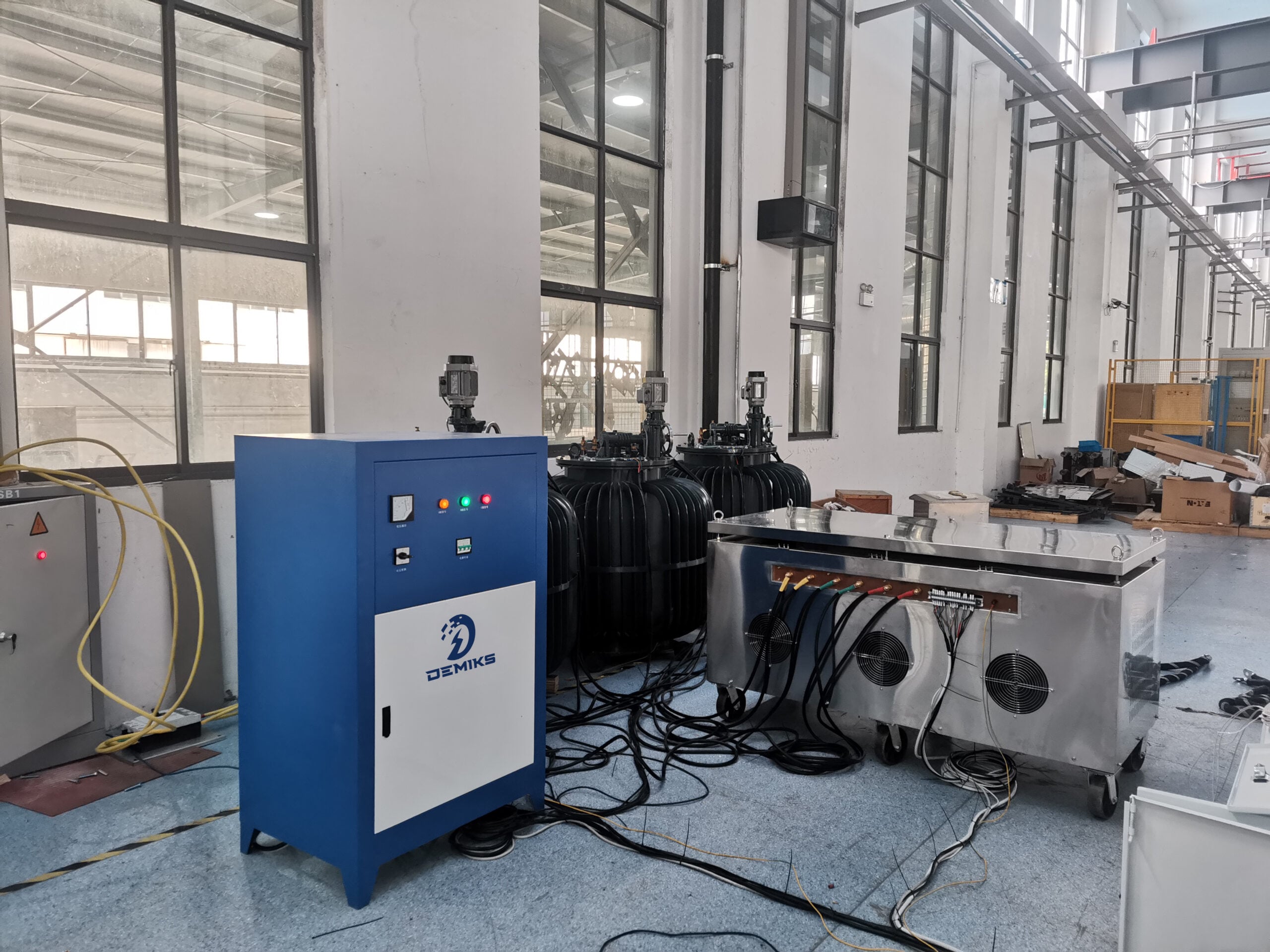
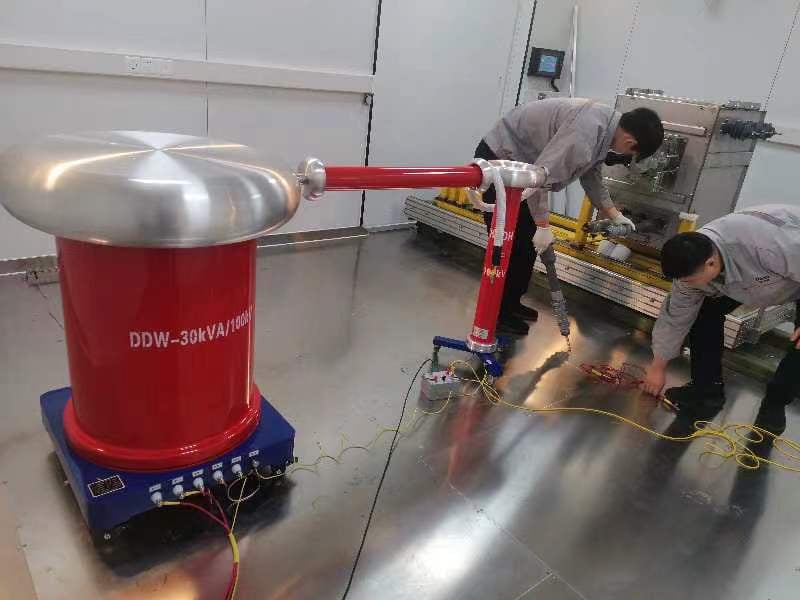
Given the harsh environment mining activity takes place under, the demand for keeping power active is not just a convenience but a necessity. In deep underground mines or out in the harsh remote sites, transformer and magnetics for enduring, fitness and continuous performance remain essential for the operation, safety, and productivity. This blog is for a hopeless and wild ride with rugged transformers and superior magnetics to face these challenges, covering the operation of their technological advances, the ruggedness of their materials, and how brilliantly they have been constructed. This article will provide useful reviews and rating features for applications imparting insight on the reliability of the solutions with reference to powering the mining industry under these harsh conditions, technical details, insightful hints about enhancing operational reliability, or possibly providing solutions to the up-to-date trends in industrial power systems.
Introduction to Reliable Power in the Mining Industry

Importance of Reliable Power in Mining Operations
The efficiency of mining largely depends on the robustness of the power supply. The machinery chiefly employed consists of massive drills for drilling minerals, the lights in mining galleries and underground tunnels, the ventilation systems, and other tools oriented toward occupational security-all powered by electricity. A power failure in a mine usually induces a sharp cessation, monetary loss, and threats to workers’ health and safety. Therefore, a reliable power supply is deemed a crucial asset in mining.
Beyond procedural requirements, power is sustainability in mining. To promote environmental concerns, several mining operations use energy-efficient technologies and renewable energy solutions to decrease the carbon footprint. A stable power supply ensures satisfactorily operating these technologies. Such an objective aligns this industry within the global agenda for sustainability. The conflict that takes form between operational effectiveness and environmental protection underlines the importance of power reliability for maintaining the long-term functionality of mining operations.
Remote mining sites often face harsh weather conditions and geographical issues, making reliable power solutions all the more essential. Advancements in power systems, particularly storage for energy and microgrids, help carve out ways by virtue of its uninterrupted power supply even in such environmentally hostile delivers. Such successful power systems not only ensure operational continuity to gain ever-more precious productivity but also bump up the overall safety of mining projects, a pointer showing up some momentous engagement on the road to industry success.
Overview of Transformers for Mining Applications
Transformers are an essential service for mining operations wherein electrical power is distributed and managed efficiently in terms of standards related to voltage. This process is intended to regulate high voltages that come from primary sources into usable levels. The variable lower voltage is secured for all companies in the mining industry. A steady source of electricity encourages many uses as one gets away from exploring, extracting, and processing. Transformers, by their design and operation, contribute to minimizing the energy wastage in the operating of swimming at the top end of their part.
Transformers for mining applications have to meet prerequisites for these applications, as they need to work hard under differing conditions of temperature, dust, and vibrations. With this fact in mind, the transformers are put together with heavy coil insulation and sturdy casings, and they come equipped with specialized thermal management systems to ensure that they operate without problems and with the least possible downtime. Their operation at a level under dire conditions will ensure the maintenance of productivity, particularly at these faraway and rugged locations of the mines where electrical stability is a must.
Transformers help in the scalability of mining projects by making the power distribution system flexible. Large equipment, say, an excavator, and small systems, such as auxiliary systems, run on transformers to maintain good balance between the demand and supply of electricity. The adaptability of transformers is also an asset as mining activities grow or change their technological requirements; it ensures full and safe work without a compromise to efficiency.
Technical Innovations in Mining Transformers

Integration of Smart Monitoring Systems
One of the significant steps toward operational efficiency and the safety of mine transformers comprises smart monitoring. Sensors and digital platforms monitor essential parameters like temperature, voltage, current, oil level, and other issues in real-time. Smart monitoring acts as a bridge that ensures early detection of any existing or potential problem issues such as overheating or insulation breakdowns while the system is attended to.
One of the best arguments for integrating smart monitoring is the improvements in predictive maintenance. Instead of having check-ups scheduled or engaging in repair work only after an issue arises, smart monitoring systems reveal anomalies and predict when maintenance will be needed. Acting in advance to avoid potential repair concerns can help cut downtimes and lessen costs over the years. By planning ahead in resolving issues on the right time is also going to help in protracting transformer life with a consistent ability of operation.
One other paramount reason for the luxury of cloud-based platforms and centralized data management platforms is the possibility of remote monitoring. Definitely, this is of use in mining environments, where transformers are usually placed in far-flung or way-remote locations! The operation or maintenance technicians will gain access to real-time LAID data from pretty much anywhere, thus increasing the reaction time and anchoring with quicker decision-making. Smart technologies merely increase the operational importance of good reliability, sustainability, and safety standards, according to the new industry norms.
Advancements in Dry-Type Transformers
A notable upsurge in technology has also been witnessed in terms of dry-type transformers while addressing the unique needs of the mining industry. Recently developed features are inclined to survive, as we put it, harsh environment challenges. The dry-type transformer is devoid of liquid insulation, making it safer and eco-friendlier especially in those off the beaten track mining areas where a loss or spill could be hazardous.
Among the latest advancements have been bettering thermal performance and provision of enhanced insulation material. These are two extremely critical functions that enable transformers withstand those more tough climatic conditions, which mining operations usually face such as high humidity, dust, and temperature fluctuations. Additionally, the latest designs have additional opportunities in that they are smaller, which further facilitates their installation in very limited space typical of underground mining facilities.
The integration of smart monitoring systems is also a revolutionary step forward. These systems provide real-time data on transformer performance, thus enabling maintenance in advance and reducing unplanned downtime. It offers substantial benefits for mining environments, where operational efficiency and safety are key, ensuring the resilient spread of energy, and they perfectly cop up with sustainable practices mandated by the current industrial standards.
Use of Specialized Materials for Durability
In the mining industry as identified by the mines’ rigorous conditions that already pose a threat to the service life of transformers, this encounter with life-threatening environmental pampering seeks to join the usage of specific materials for mining transformers design and case fabrication. Utility-wise, high-temperature insulation systems, corrosion-resistant coatings, and durable steel casements are common methods applied to preserve expenditure and extend the durable years of life.
Transformers for mining are therefore constructed with special core and winding materials that can defy mechanical stress and thermal oscillations. These materials also provide added resilience and power-saving on days, promoting lower internal costs. Moreover, highly advanced cooling systems may be added to manage heat dissipation efficiently, especially in mining operations with high demand.
With the use of the above goodied materials, the transformers in the mining sector are better conditioned to encounter unbearable conditions, thus ensuring reliable distribution of power, minimizing duration of maintenance, and hence supporting sustainable operations by enhancing equipment life span and maintaining efficiency under harsh conditions.
Durability Requirements for Mining Transformers
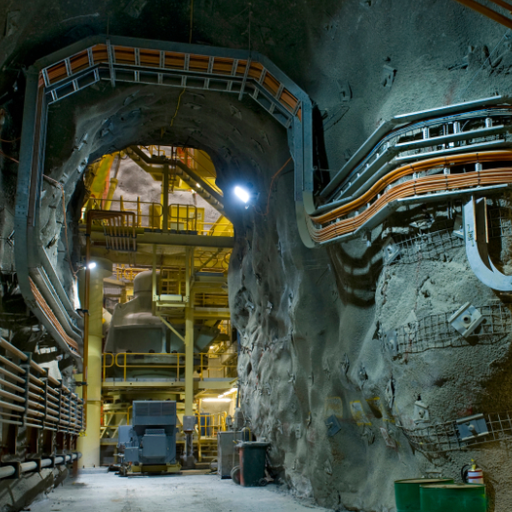
Withstanding Extreme Mining Environments
Mining transformers are constructed to endure harsh environmental conditions, ranging from extreme temperature differences, mechanical stress, to being exposed to dust, moisture and corrosive matter. Material strength, such as high-grade steel and specific insulation, plays an important role in providing for the transformers’ resilience under all these conditions. Sealants and protective coatings are provided to prevent moisture and pollutants from ultimately disrupting the equipment’s performance.
One other very important necessity is the cooling system’s efficiency. Mining transformers often bear very high electrical loads, which produce heat and reduce efficiency and life span. Employing advanced cooling methods, like forced air or oil cooling, keeps it within the operating range, even under full load conditions. This ensures that your transformer can perform without any problems and hazard under high-demand conditions.
Subsequent to the life cycle, the usage of true preventive maintenance tactics makes the tandem of alarm-handling and observations in a jointly proactive manner reduce transformer maintenance productivity. Such proactive approaches may act as a guarantee of short life on the mine’s power source.
High Dust Exposure and Its Effects
Challenge Alert: A major challenge for transformers due to high dust exposure is poor operational efficiency, or work safety, often in harsh environments such as mines and any industry area. Dust will retard performance more in the cooling channels of the insulation system. Dust is collected along the cooling media and the passages will then be covered with dust, reducing the airflow and prohibit the cooling from being effectively carried out. Subsequently, the higher the temperature, the more curtailment in the efficiency of the transformer will become noticeable, and subsequently if not critically attended to field activities or possibly leftover equipment failure may end in costly downtime.
Additionally, dust particles left on components have the insidious effect of absorbing moisture from the air, which leads to insulation failure. It lessens the dielectric strength of insulation constructs and opens a gateway towards electrical failure, shorting, or potentially other types of catastrophic faults. The aforementioned issues hinder in the reliability and life expectancy of the equipment.
Regular maintenance and cleaning become paramount to curtail these effects. The use of proper sealing mechanisms, resorting to high quality filtration, and the strict removal of dust, once these processes are put in place, prevent complications. Depending on what the to level of particulate matter in an environment may be, the lifespan and performance of key electrical services can be markedly improved.
Extreme Temperatures and Mechanical Vibrations
Extreme temperatures and mechanical vibrations are big threats to the functioning of electrical systems when it comes to their performance and endurance. It is necessary to plan for the expansion or contraction of such materials as wires and cables when faced with either high or low temperature. Such expansions and contractions may lead to potential issues, such as insulation breakdown, conductivity loss, or the complete and immediate failure of the whole system. Selecting ratings of components that are compatible with expected temperature ranges work together to address these limiting parameters.
The vibrations of machinery can deteriorate fasteners, connections, and damage delicate components. Intermittent faults are mostly found instead.” But with vibrations as an agent for causes of damage, it can lead to catastrophes resulting from large losses. Prevention may be in line with dampening vibration using materials designed for vibration protection, stiff fixing of components, and a series of regular preventive checks to detect vibrations wearing out a component.
On the reliability-maintenance systems are on such a path that a combination between temperature control and vibration analysis is desirable to discern the root cuase or causes of decay. Sound designing, robust maintenance techniques, and a concerted effort to use high-quality material will keep electrical systems intact and functioning efficiently for long periods under environmental hazards.
Emerging Trends in Energy Efficiency

Adoption of High-Efficiency Transformers
Energy efficient transformers play a special role in keeping energy loss at its lowest during operational execution. By minimizing core losses and eddy current losses, much more major factors contributing to energy wastage in conventional systems, such transformers enable less power wastage to come down to the end-users. Using advanced materials and innovative designs, improvements made by the above increase the quantum of energy reaching the customer to reduce the remaining trash of waste and its environmental implications.
There are significant market drivers for high-efficiency transformers including growing energy demands and the need for sustainable power systems. With global regulations supporting reduced carbon emissions and improved-energy performance, these transformers find themselves on the batting side of core sustainability goals. In addition to cutting down operational expenses, this colossally improved energy efficiency also lowers the carbon footprint of power distribution.
In its endeavours to empower higher system reliability and long-term saving of cost, the significant financial and environmental benefits as a result of energy loss reduction over time supercede the higher initial expenditures, thereby making the larger involvement worth the while. These facts emphasize the need for energy-efficient technologies to be part of modern electrical infrastructures to avert upcoming exigencies.
Renewable Energy Integration in Mining Operations
The point of involving renewable energy in mining is both to reduce carbon emissions and to make the operation sustainable. Mining uses a great deal of energy, which is traditionally from fossil fuels. Therefore, with solar, wind, and hydro-power, mining companies can greatly lessen their dependence on non-renewable sources of energy which impacts the environment, yet still, keeping operational efficiency. The change is not only in line with the global environmental objectives but also mandates compliance with various emerging regulations that address carbon neutrality.
Cost-saving is another most significant advantage that renewable energy offers to the mining sector. The upfront investment may seem stringent, but the widespread price of fossil fuels is much reduced, of course, thereby bringing in savings for long-term operational costs. Also, renewable forms of energy such as sunlight or wind provide reliable and localized sources allowing continued operation in far-flung places decreasing sufficiently the need for infrastructure-related logistics such as powering along long grids.
The mining industry gains substantial advantages through modern transformer solutions. To manage the variable outputs from renewable energy sources, one needs transformers that exhibit high energy efficiency. These transformers coast along with the electricity transfer, maintain the distribution of energy, feed demand from one load, and achieve related optimization. With robust capabilities in place which ensure the crossover between renewable energies and mining operations, the above-listed transformers shall sustainably exist with regard to safety, reliability, and long service life.
Cost-Effectiveness of Energy Solutions
Implementing cost-effective energy solutions in the mining industry is vital and necessary to sustain operational efficiency, as well as to ensure operational sustainability. The power apparatus thus plays a central role in achieving such cost-effective strategies by means of an optimum distribution of energy and minimal energy loss in the transmission. With the minimum level of these transformers, not only is energy wasted less, but a better return on energy and eventually lower operation costs-defense accrue over a period of time.
Sustenance of such energy packages over a long time hinges for the most part on the very capacity of these transformers to withstand the expensive maintenance of change and a long time of servicing. Also, with a consideration of competing for space, any modern transfer can take a remarkable workload and adapt to energy requirements, thus fostering consistent transmission of what a mine does employing difficult conditions and preventing costly interruptions.
Transformers optimized for the integration of renewable energy can effectively lower production costs because they make it possible to generate energy sustainably. In fact, mining companies can receive lucrative incentives for clean energy use aside from cutting down on the high cost of energy in the longer term. Energy transformer solutions are therefore a key investment for the mining industry, combining efficiency, reliability, and sustainability.
Conclusion: Future-Proofing Mining Infrastructure

Importance of Resilient and Reliable Transformers
For the mining industry, resilient and reliable transformers are a necessity because no minute glitch could lead to a halt of operations at times, especially under odd circumstances. And mining often occurs in some other far-off places with tough circumstances, so the durability and reliability of energy supply is essential. They are built to be resilient against extreme weather conditions, vibrations and heavy loads, which in turn ensures reduced failure risk to their equipment and operating time.
Also, reliable transformers contribute to energy efficiency and cost-effectiveness, saving money through decreasing the loss of energy that would have been consumed during power transmission and distribution. Increased energy efficiency is not just financially advantageous to the owners of mining companies but is also more compliant with an increasingly strict set of ecotax laws enhancing the efforts towards sustainability.
Additionally, when investing in transformers that are sufficiently robust-the current and further requirements-will help future-proof the mining infrastructure, the more non-crucial part of finding out newer information and making do with available accounting. All the modern transformers are actually made just to integrate effectively with the renewables as well as the most advanced energy management systems, assisting the mining company towards getting more renewable and environmentally friendly energy generation systems. At present, renewable energy as an integrated part of clean energy norms of use is recommended to be part of the green revolution if the claims can be made. Thus, we see that reliability is a prospect for a sustainable and long-term availability that can support the demands of an ever-changing mining industry.
Strategies for Long-Term Sustainability in Mining
One vital solution for long-term sustainability on a mine site is to implement renewable energy solutions. These types of fossil fuel energy resources should be replaced by using energy resources such as solar, wind power, hydroelectric power for mining operations to substantially lower greenhouse gas emissions and environmental impacts from mines. These energy sources not only foster clean production but also are part of worldwide efforts to fight climate change. Moreover, renewable energy techniques generally result in reduced costs over time, thus positing economic benefits to mining companies.
Resource efficiency and waste management are two other marquee strategies; waste minimization and operational efficacy can be realized by minimizing water, energy, and raw material use. New technologies such as advanced sensors, and real-time monitoring systems are now available to identify these inefficiencies, thereby guiding companies in informed decisions for consumption reduction. Again, the recycling and re- utilization from mine-site waste materials provides added leverage in ameliorating environmental harm and extending the lifetime of mining outputs.
Community engagement and doing business on stringent environmental regulations are of primary concern. Mining corporations must engage with the local community in order to adjust the operations following the people’s social and ecological expectations. Companies can stage worker-training schemes while sharing community development projects, ensuring their activities will earn them trust, whilst producing an atmosphere in which they work healthily with one another. And abiding by operational environmental laws through international sustainability standards ensures that mining activities are environmentally in line with the alt-togther morally responsible–a splitting of the future rites through mining projects.
Final Thoughts on Power Solutions in the Mining Industry
Power situations in the mining industry are a cornerstone of operational efficiency, reliability, and sustainability. Conversion of energy sources into electricity through custom-made systems such as transformers dedicated to providing needful electricity in mining locations stands out as peculiar energy demands in power solutions. Always, these two properties need to be kept in check for better productivity and for the projects to fall in line with sustainability principles.
Transformers specifically engineered for the mining sector are designed to withstand the tough environmental conditions of the mining sector and heavy operational loads. Which guarantee a steady supply of electricity to the mining equipment and precision mining operations, across remote locations, without any power interruptions. Also, transformer technology innovation has enabled the enhanced use of energy by lowering usage losses and improving power management. Consequently, thereby also aiding cost-cutting efforts.
In the long run, the transition to contemporary transformer solutions will be crucial for forward-thinking mining organizations because these transformer solutions function to enhance operational efficiency and reduce environmental disruption. This is so because investing in reliable power solutions instills long-term success to the operations while supporting towards the collective goals of environmental management and rationalized utilization of resources.
References
- Leveraging the Mining Industry’s Energy Demand to Improve Sustainability
This source discusses energy challenges in the mining industry and the role of transformers and other solutions in addressing these issues. - Inclined to Innovate: Old Mines Inspire a New Energy Future
This article explores innovative energy solutions in mining, including the transformation of old mines into energy resources. - Mining Distribution Transformer Standards
This document provides regulatory insights into medium-voltage dry-type distribution transformers specifically designed for mining applications. - Read more hereTop Oil-immersed Transformer Manufacturers and Suppliers in China
Frequently Asked Questions (FAQ)
Q: Please tell about mining industry transformer solutions and how are they important?
A: Mining industry transformer solutions constitute a variety of distribution transformers assembled with dry-type mining transformers, reactors and power equipment to provide steadfast power to the mining industry with extraction, processing, and load centers. These solutions offer trouble-free, high reliability in demanding environments with extreme working conditions, especially all those where uninterrupted operation is critical to the productive mining of natural resources like coal and ore.
Q: How Are Dry-Type Transformers Manufactured and Designed for Critical Mining Applications?
A: Specializing in transformer solutions for the mining industry, the dry-type transformers are designed and manufactured by design engineers in a robust mining effort. These types of products are meant to be customized according to specific site standards for each model meeting ANSI specifications. The designers encapsulate the windings in epoxy for airborne contaminants and protect against the low-profile mining and indoor configurations. Transformers are even modified to withstand harmonic loads, mill conditions, and other severe duty cycles.
Q: What specification should be considered for transformer and electrical equipment selection for mine?
A: Key specifications include voltage class, KVA rating, ambient temperature, enclosure type (indoor or outdoor), harmonic and inrush current tolerance, short circuit withstand, insulation class, epoxy injection or dry construction. Frequently, each of the mining operations specified has its own set of requirements in addition to standard features. Instances of such situations might necessitate customized products to ensure to guarantee compliance with ANSI or other relevant standards applicable to North America markets.
Q: What are the differences between dry type transformers and oil-filled transformers in mining applications?
A: Dry type mining transformers are used in mining applications as they provide an ambit of advantages in terms of safety and ecological competence, stopping possible oil slick that may pose fire risk. Several Mining Dry-type transformers are also often designed and manufactured using an epoxy encapsulation to shield the windings against impinging in any air contaminant and heavy use. Oil-filled transformers can generate more kVA to meet some work requirements, but otherwise, dry type transformers are the first recommended solution for enclosed, underground, or mandated infrastructure-based applications requiring constant operation out of sight.
Q: How Are Distribution Transformers and Reactors After Beneficial to the Suspension Requested by Mining Operations?
A: Mining transformers step down the voltage to the higher levels of a mine (power) center of load and its distribution network. Reactors take care of the mitigation of fluctuating harmonics and control quality issues while doing some error correction caused by extensive motors and variable-speed drives. Built together, they offer powerful, robust mining transformer solutions helping to provide the right kind of power, lower downtime, and work with heavy-duty equipment that powers the equipment at mills, conveyors, and extraction systems.